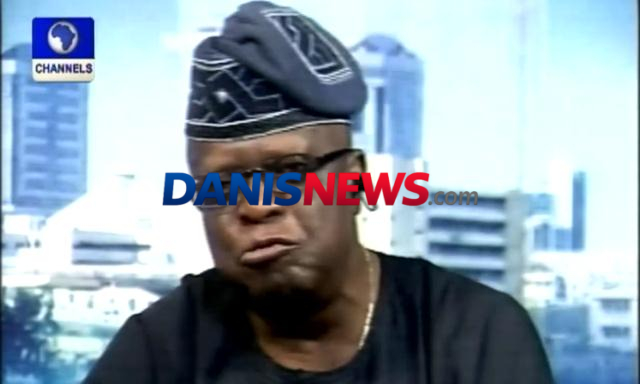
According to Arise Tv on Sunday, June 14th 2026, Political analyst and professor, Femi Otubanjo, has delivered a stark assessment of Nigeria’s development trajectory, arguing that decades of mismanagement have left the country living on “borrowed time” and in urgent need of systemic correction.
Otubanjo said Nigeria’s long post-independence history reflects a pattern of missed opportunities, warning that without decisive reforms, the country risks deepening its current economic and governance challenges.
“Nigeria has spent 60-something of those years wasting its opportunities,” he stated, reflecting on what he described as decades of underperformance across successive administrations.
He further cautioned that the consequences of these failures are now becoming more visible in the country’s economic strain and social pressures, suggesting that the nation can no longer afford continued delay in addressing structural problems.
“We are now living on borrowed times,” he warned, emphasizing the urgency of national reforms and stronger leadership accountability.
Otubanjo stressed that meaningful progress would require difficult decisions and a willingness by leaders to prioritize national interest over personal or political gain.
“We have to face the reality that things have to be straightened up before they get better,” he said, calling for a more disciplined approach to governance and economic management.
He also criticized what he described as a lack of visible sacrifice from Nigeria’s political class, arguing that leadership behavior sends a negative message to citizens struggling with hardship.
“There is no evidence that our political leadership is making any sacrifice,” he noted.
Otubanjo pointed to the lifestyle of public officials as a major concern, citing the use of luxury transportation and high-cost travel arrangements amid widespread economic difficulty.
“I see motorcades and so on, people flying around in private jets as if money is no problem,” he said, expressing concern over perceived excesses within the political elite.
He concluded by urging the federal government to take decisive action in addressing governance priorities and restoring public confidence in leadership.