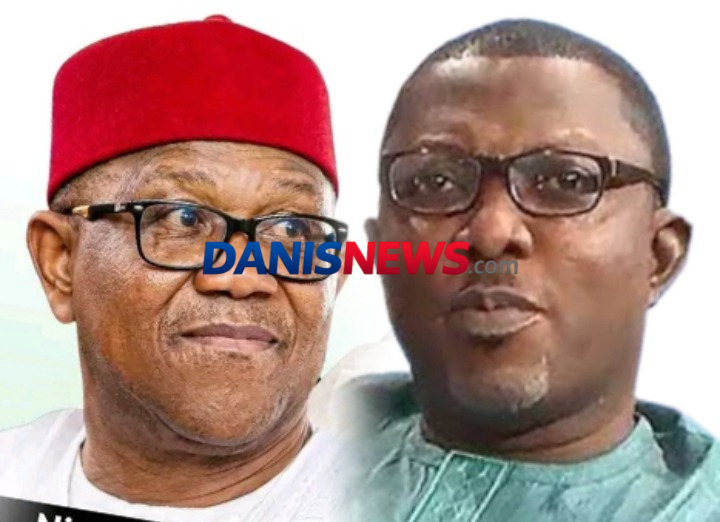
In a recent interview on Nevon HQ, on Thursday, June 4, 2026, Abayomi Arabambi, the factional National Vice Chairman of the Labour Party, spoke about internal party disputes, opposition realignments, and the legal tensions emerging from Nigeria’s shifting political landscape ahead of the 2027 general elections. The discussion focused on party legitimacy, leadership struggles, and post-election controversies within opposition politics.
Arabambi revisited the 2023 election aftermath and ongoing disagreements within the opposition, insisting that unresolved issues from that period continue to influence current political developments. He argued that factional divisions and competing claims of authority have weakened coordination within opposition structures, including the Labour Party.
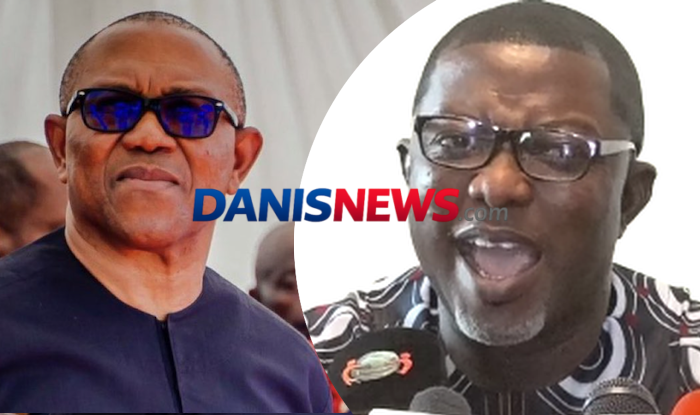
Speaking during the interview, Arabambi stated, “We still have to take him to court now that he has emerged as presidential candidate of NDC.” He made the remark while discussing the political and legal implications of former presidential candidate Peter Obi aligning with emerging political movements such as the National Democratic Congress (NDC).
According to Arabambi, the opposition remains deeply fragmented, and legal processes may become necessary to resolve disputes arising from party defections, candidacy claims, and internal disagreements. He maintained that political accountability must be enforced through constitutional and judicial means rather than informal negotiations or political settlements.
He further argued that the Labour Party has struggled with internal cohesion since the 2023 elections, noting that factional leadership disputes have continued to affect the party’s stability and public perception. He also stressed that emerging political formations will face similar challenges unless proper structures are put in place.
Arabambi concluded by insisting that political disputes involving candidates and party affiliations must be properly addressed in court, adding that Nigeria’s democratic process depends on strict adherence to legal frameworks as the country moves toward the 2027 general elections.