Kindly Pay Attention: If you’re reading on PHOENIX, Please click the “Read Original” button at the top right to view the full article.
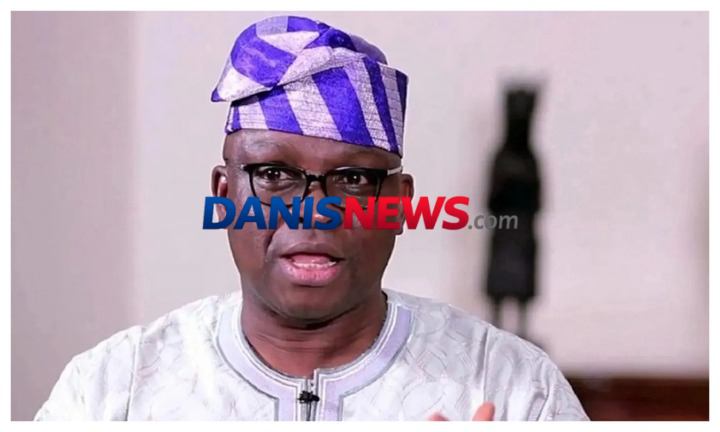
The governorship candidate of the African Democratic Congress (ADC) in Ekiti State, Ambassador Dare Bejide, has rejected the outcome of the recently concluded governorship election in the state, alleging widespread vote-buying and irregularities during the electoral process.
Bejide made his position known during an interview featured in a video shared by ARISE News on Monday, June 22, 2026. His comments came shortly after the Independent National Electoral Commission (INEC) declared Governor Biodun Oyebanji of the All Progressives Congress (APC) the winner of the election.
The declaration by the electoral commission officially returned Oyebanji for another term in office, but the result has continued to generate reactions from opposition parties and political stakeholders across the state.
Reacting to the outcome, Bejide expressed strong dissatisfaction with the conduct of the election, insisting that the process did not reflect a fair contest. The ADC candidate alleged that the ruling APC deployed large sums of money across polling units to influence voters and shape the outcome of the election.
According to him, the alleged distribution of cash created confusion in several locations and undermined the credibility of the electoral process. He maintained that the circumstances surrounding the election made it impossible for him to accept the result announced by the electoral commission.
Speaking during the interview, Bejide said:
“I reject the results. The APC brought enormous cash to share in all the polling units and that caused a lot of confusion. There were instances where the cash was seized from them but after negotiating with security agencies, the money was returned back to them.”
The ADC candidate’s allegations add a new dimension to discussions surrounding the election, particularly concerns about vote buying and the role of money in Nigeria’s electoral process. Over the years, election observers, civil society groups, and political analysts have repeatedly raised concerns about the influence of financial inducements on voter behavior during elections.
Bejide argued that the alleged actions of the ruling party compromised the integrity of the election and affected the ability of voters to make independent choices. He suggested that the reported distribution of money at polling units distorted the democratic process and influenced the final outcome.
The opposition candidate further indicated that his party would continue to examine developments surrounding the election and determine the appropriate steps to take regarding the announced results. While he did not immediately outline any legal or political action, his rejection of the outcome signals the possibility of further challenges to the election.
The APC, however, secured victory following the official declaration by INEC, with the commission maintaining that the election was conducted in accordance with established procedures. As is customary after major elections, the commission announced the results after collation from polling units across the state.
The election attracted significant public attention due to its importance in determining the political direction of Ekiti State for the next term. Political parties campaigned extensively across the state, presenting competing visions on governance, infrastructure, economic development, security, and social welfare.
Political analysts note that post-election disputes are not uncommon in Nigeria’s democratic process, especially in highly contested elections. Candidates who disagree with official outcomes often challenge the results through public statements, legal processes, or petitions to electoral tribunals.