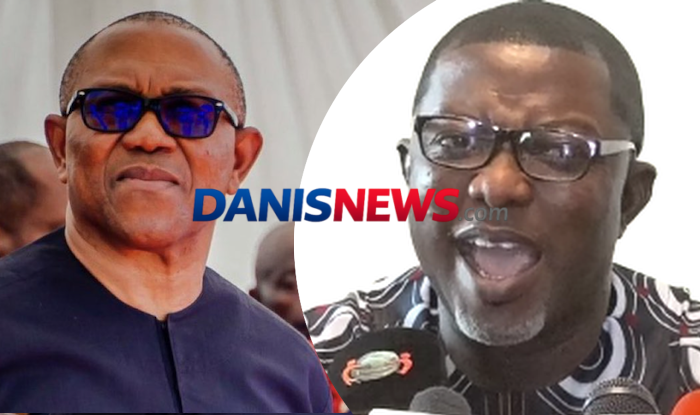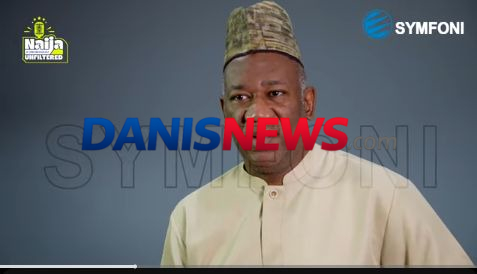
Former Labour Party vice-presidential candidate, Yusuf Datti Baba-Ahmed, has disclosed that his political relationship with former Anambra State governor, Peter Obi, remained cordial even after his departure from the Labour Party.
Speaking during an interview on SYMFONI, Datti recounted his efforts to maintain political cooperation with Obi despite changes in party affiliations and evolving opposition alignments ahead of future elections.
Reflecting on his interactions with Obi, Datti said he remained committed to working with the former presidential candidate and continued to encourage collaboration among opposition figures.
According to him, “I left Labor Party. While I came to PDP, I still said, Peter Obi, if you want to come, come.”
The former senator explained that his support for Obi did not end with the conclusion of the 2023 presidential election, noting that he continued to engage him on political strategy and coalition-building.
Datti revealed that he had, at various points, advised Obi to work closely with other political leaders, including former Kano State governor, Rabiu Musa Kwankwaso, in order to strengthen opposition efforts and improve their chances in future electoral contests.
He recalled that his relationship with Obi was built on trust, adding that he often offered strategic advice without seeking personal guarantees or political concessions in return.
According to Datti, he supported Obi’s political ambitions because he believed in the need for long-term planning and organisation in opposition politics.
The former lawmaker also criticized what he described as a lack of strategic coordination among some political actors, arguing that successful political movements require sustained planning rather than short-term calculations.
He further disclosed that he remained in communication with Obi even during periods of political uncertainty, insisting that his primary concern was the advancement of ideas and policies capable of improving governance in Nigeria.
Datti stressed that coalition-building should be driven by principles and shared objectives rather than personal interests, adding that opposition leaders must learn to work together if they hope to challenge entrenched political structures.
His remarks come amid renewed discussions about possible alliances among opposition figures ahead of future elections and ongoing debates over the direction of Nigeria’s opposition politics.
The comments have also reignited conversations about the relationship between key political actors who worked together during the 2023 presidential campaign and their prospects for future collaboration.