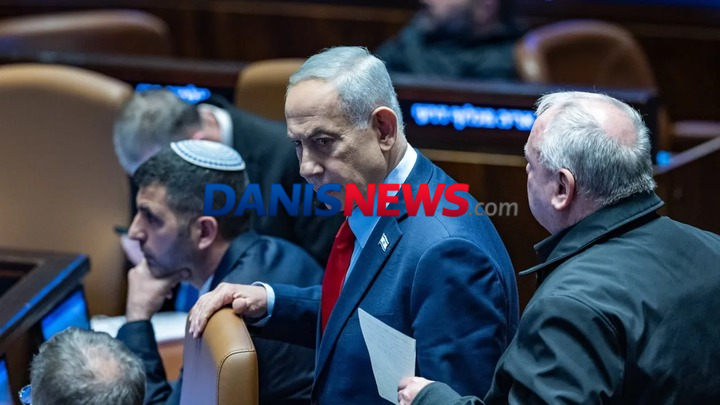
Israeli Prime Minister Benjamin Netanyahu has reportedly told cabinet ministers that his government will not vote on the latest United States-mediated ceasefire proposal with Lebanon unless Hezbollah formally accepts the agreement’s conditions.
According to Times of Israel, Netanyahu made the remarks during a cabinet meeting, where ministers discussed the proposed truce and expressed concerns about its effectiveness and durability.
Several ministers reportedly criticized the arrangement, describing it as fragile and urging that it be brought before the cabinet for approval before Israel commits to its terms.
The ceasefire proposal follows talks held in Washington, where Israeli and Lebanese representatives agreed to renew efforts aimed at reducing hostilities along the Israel-Lebanon border.
The initiative also seeks to establish mechanisms that would prevent Hezbollah from operating in certain designated areas and reduce the risk of further escalation between the two sides.
Despite pressure from some ministers to proceed with a cabinet vote, Netanyahu reportedly insisted that there is currently no agreement to approve.
He argued that Hezbollah’s refusal to accept the proposed terms means negotiations remain incomplete and that Israel cannot make a final decision until the Lebanese militant group changes its position.
According to the report, Netanyahu told ministers that Hezbollah’s opposition effectively prevents any formal Israeli decision on the matter.
He added that if Hezbollah ultimately agrees to the proposal, the government would then present the deal to the cabinet for consideration and approval.
The comments come amid continuing tensions between Israel and Hezbollah, with exchanges of fire and military operations persisting across the border.
Efforts led by the United States have sought to secure a renewed ceasefire and prevent a broader regional conflict.
However, Hezbollah leader Naim Qassem appeared to reject the latest proposal, stating that his organization would continue attacks against northern Israel as long as Israeli military strikes continue inside Lebanon.
His remarks have raised doubts about the prospects for an immediate breakthrough in the negotiations and highlighted the significant obstacles facing ongoing diplomatic efforts.