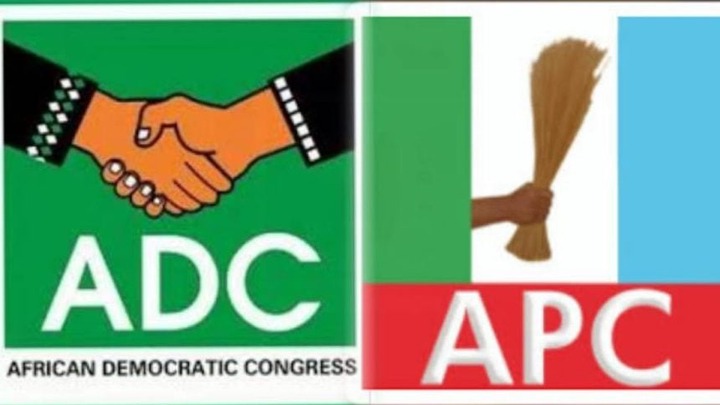
According to report by The Nation on Sunday, April 19, 2026, in recent months, Nigeria’s electoral umpire, Independent National Electoral Commission (INEC), has faced sustained criticism from opposition groups, particularly the divided African Democratic Congress (ADC).
A recurring allegation is that INEC is colluding with the ruling All Progressives Congress (APC) to entrench a one-party state. However, the political space remains diverse, with 21 registered parties, including two recent additions.
Amid the accusations and political theatrics, a team of editors and correspondents conducted a detailed review of parties positioning themselves ahead of the 2027 elections.
While earlier coverage examined the Southwest and Northwest (excluding Kano and Sokoto), the latest report focuses on Kano, the Federal Capital Territory (FCT), and parts of the South-South and North-Central regions.
In Abuja, the APC has staged a remarkable comeback. After suffering setbacks in the 2022 Area Council elections, where the People’s Democratic Party (PDP) dominated key councils, the ruling party has rebounded through strategic defections.
High-profile figures such as Philip Aduda and Christopher Zaka Maikalangu switched allegiance, significantly weakening opposition structures.
This shift translated into electoral success, with APC winning five of six councils in the latest polls, cementing its dominance in the capital.
Despite this resurgence, internal tensions and voter apathy in urban areas remain concerns. Nationally, APC continues to expand its influence, controlling most states and leveraging its “Renewed Hope Agenda” to attract defectors.
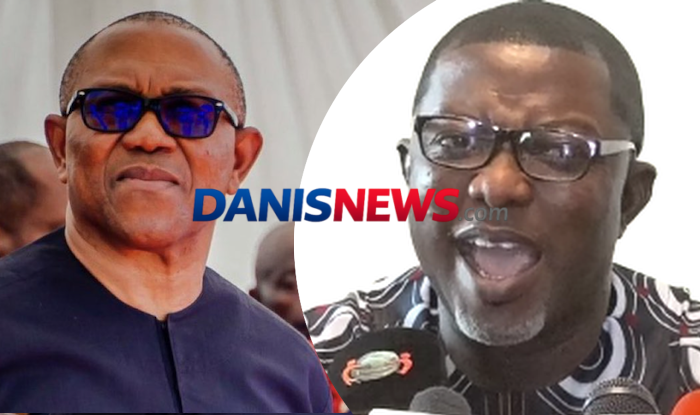
Meanwhile, ADC, once emerging as a viable third force, has been destabilized by leadership disputes following INEC’s intervention, stalling its momentum.
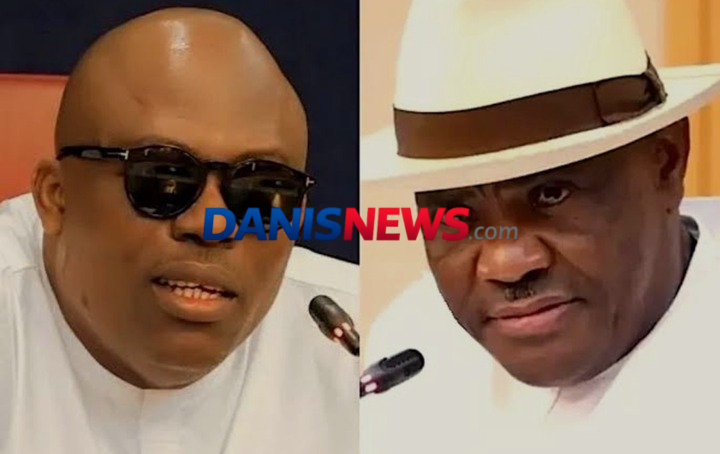
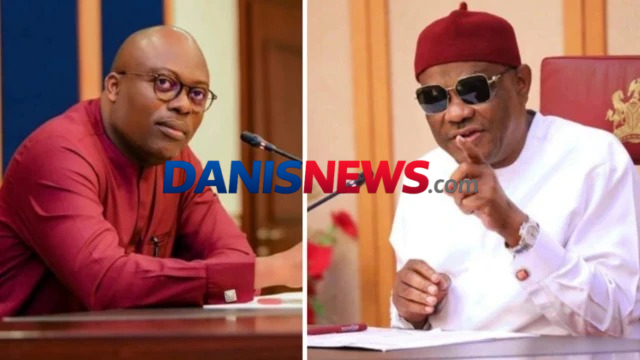
The influence of Nyesom Wike adds complexity to Abuja politics. Though a PDP figure, his cross-party alliances have reshaped loyalties, strengthening APC while leaving PDP both empowered and weakened. PDP still retains pockets of support but struggles with relevance amid shifting alliances.
In Kano, political rivalry is intensifying between APC and ADC, bolstered by heavyweight politicians and shifting loyalties.
APC enjoys strong backing from figures like Abba Yusuf and Abdullahi Ganduje, while ADC gains traction from Rabiu Musa Kwankwaso and his supporters.
The New Nigeria Peoples Party (NNPP), weakened by defections, is struggling to remain relevant, while PDP faces the daunting task of rebuilding from near collapse.
Across regions, the political landscape ahead of 2027 appears fluid and fragmented. APC stands as the dominant force, PDP remains a contender despite internal issues, and ADC once rising now battles uncertainty. Alliances, defections, and grassroots influence may prove more decisive than party labels in shaping the outcome.