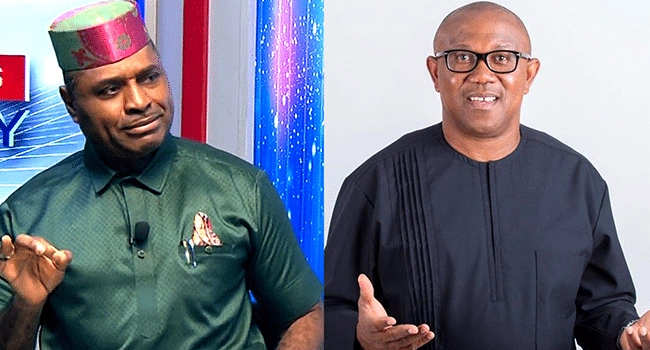
According to a report by Channels Television on Sunday, April 12, 2026, the 2023 presidential candidate of the Social Democratic Party, Adewole Adebayo, and technology expert Gbenga Sesan have shared differing perspectives on a developing controversy involving a social media account allegedly linked to the Chairman of the Independent National Electoral Commission, Joash Amupitan.
The discussion took place during a televised interview on a current affairs programme, where both individuals addressed the implications of digital identity, political neutrality, and the legal framework surrounding public office holders.
The issue centers on claims that a social media account on X, formerly known as Twitter, may be connected to the INEC chairman.
The allegation has raised questions about political neutrality, particularly given the sensitive role of the electoral commission in overseeing elections in Nigeria.
As the body responsible for managing electoral processes, INEC is expected to maintain a high level of independence and impartiality.
The controversy has therefore drawn attention to the standards required of individuals occupying such positions, especially in the context of public perception and trust.
Adewole Adebayo, speaking during the programme, explained that while digital platforms can sometimes be used to create or manipulate content, there are established methods for verifying the ownership of online accounts.
He noted that digital forensic analysis can be applied to trace activity, identify patterns, and determine whether a particular individual is connected to a specific account.
According to him, such processes can provide clarity in situations where there are conflicting claims or uncertainty about digital identities.
He suggested that resolving the matter may require either legal proceedings or a formal investigation by relevant authorities.
He also addressed the legal considerations surrounding the issue, explaining that even if the account were proven to have belonged to the individual in question, it would not necessarily violate the requirements for holding the position of INEC chairman.
According to his explanation, the law primarily focuses on whether a person is an active member of a political party at the time of appointment.
He clarified that past political affiliations or participation in electoral activities do not automatically disqualify someone from being appointed to the role.
This distinction, he noted, is important in understanding how eligibility is determined under existing legal provisions.
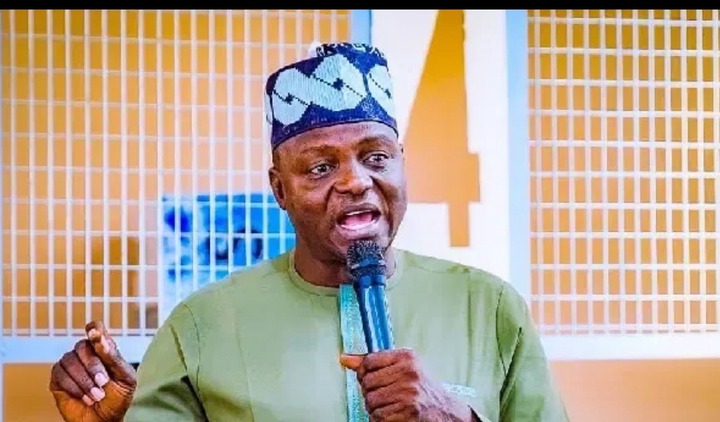
On the other hand, Gbenga Sesan approached the matter from a technology and digital governance perspective, emphasizing the broader implications of online activity and public accountability.
He highlighted the importance of transparency in the digital age, where social media platforms play a significant role in shaping public discourse.
According to him, individuals in positions of authority are often subject to increased scrutiny regarding their online presence, as digital footprints can influence public perception.
He suggested that addressing such controversies requires careful examination of both technical evidence and ethical considerations.
The discussion reflects a wider conversation about the intersection of technology, governance, and public trust in Nigeria.
As digital platforms continue to play a central role in communication and information sharing, issues related to identity verification and accountability have become increasingly relevant.
The situation also highlights the challenges faced by institutions like the Independent National Electoral Commission in maintaining credibility, particularly in an environment where information can be rapidly shared and interpreted in different ways.
He said, “The requirement is that at the time of appointment, you should not be a member of any political party. It does not mean you could not have been a member in the past or that you did not vote. Someone who voted in 2023 can still become INEC chairman in 2025.”