Kindly Pay Attention: If you’re reading on PHOENIX, Please click the “Read Original” button at the top right to view the full article.
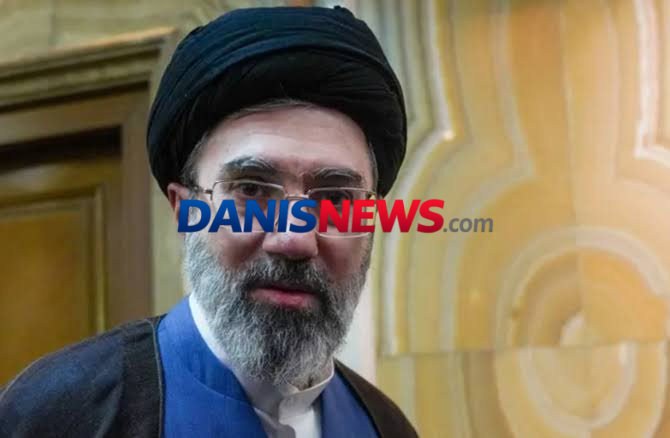
In a striking revelation that underscores the severe domestic pressure weighing on Tehran, a former top U.S. intelligence official disclosed Saturday that family members of Iran’s Supreme Leader were killed in recent military strikes a catastrophic personal loss that the leader completely omitted from his historic public address endorsing a new agreement with the United States.
Norman Roule, who served as the National Intelligence Manager for Iran at the Office of the Director of National Intelligence (ODNI), shared the details during an interview with Al Arabiya on June 20, 2026.
Analyzing the Supreme Leader’s public announcement, Roule noted that the absolute silence regarding the family tragedy was arguably the most telling element of the speech.
“It’s notable that he did this,” Roule told Al Arabiya. “Remember his father, his family was killed in those attacks and he made no mention of this in his statement.”
According to Roule, this deliberate omission signals an extraordinary level of strategic restraint.
At a geopolitical juncture where personal grief or emotional grievances could have easily derailed diplomacy or injected a retaliatory tone into the announcement, the Supreme Leader chose total silence on his personal loss.
Roule explained that what wasn’t said carried just as much weight as the spoken words, serving as a powerful indicator of the regime’s current posture.
This profound restraint, paired with the decision to ultimately sign the accord despite well-documented personal reservations, suggests that Iran’s leadership is operating under immense, existential strain.
The willingness to swallow both personal tragedy and political pride points directly to Iran’s deteriorating domestic landscape.
Roule connected the Supreme Leader’s stoicism to the country’s crippling economic crisis, suggesting that the financial and social pressures building inside Iran have become too severe to ignore.
Ultimately, Roule argued, the severe economic distress facing the country appeared powerful enough to completely override the Supreme Leader’s deeply held political objections and intense personal grief.
Roule’s insights came during a comprehensive assessment of a rapidly shifting Middle Eastern security landscape.
The sweeping interview touched upon the fragile Israel-Hezbollah ceasefire in Lebanon and the recently postponed Geneva talks.