Kindly Pay Attention: If you’re reading on PHOENIX, Please click the “Read Original” button at the top right to view the full article.
The re-election of Governor Biodun Oyebanji in Ekiti State has continued to generate reactions, with political observers pointing to broad-based support that cut across party lines as a major factor behind his landslide victory.
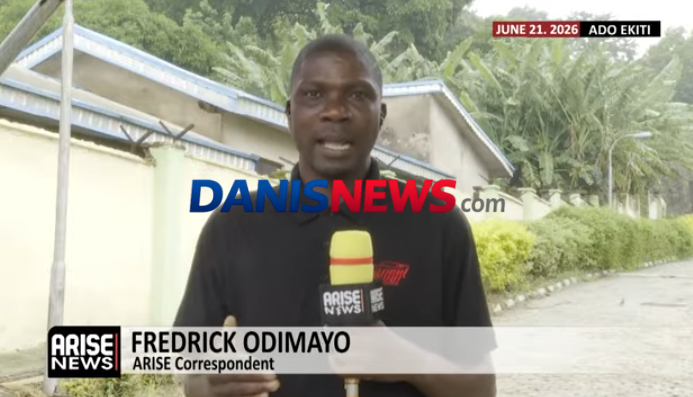
Speaking on Arise News after the election, correspondent Frederick Odimayo highlighted the role played by influential political figures outside the ruling All Progressives Congress (APC). According to him, “The former governor of Ekiti State, Ayo Fayose, openly said that he would not support his own party candidate.”
The statement underscores the unusual political dynamics that characterized the governorship election. Fayose, a prominent member of the Peoples Democratic Party (PDP) and one of the most influential politicians in the state, publicly backed the incumbent governor despite his party fielding its own candidate.
Odimayo explained that Oyebanji’s success was largely driven by his ability to unite stakeholders and build support beyond partisan boundaries. He noted that the governor’s emphasis on “Ekiti First” helped foster a sense of unity among residents and political leaders alike.
The election result reflected this broad coalition. Oyebanji secured victory across all 16 local government areas, defeating his closest rival by wide margins in most parts of the state. The outcome also made history, as Oyebanji became the first incumbent governor in Ekiti State to win re-election consecutively.
Political analysts believe that endorsements and support from opposition figures contributed significantly to the governor’s overwhelming performance at the polls. Odimayo noted that such cross-party alliances helped galvanize voters and strengthened the incumbent’s appeal beyond traditional APC supporters.