Syria’s President Ahmad al-Sharaa has spoken openly about the painful scars left by Hezbollah’s involvement in his country’s conflict, describing it as a “deep Syrian wound” that remains alive even as Damascus leaves the door open for future dialogue with the Lebanese armed group.
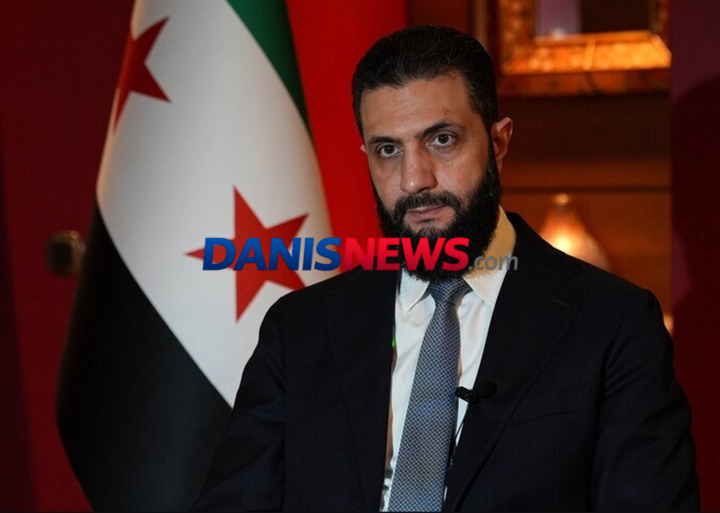
According to Anadolu Agency, in a report published on Sunday, June 21, 2026, Sharaa made the remarks during an interview with Al Mashhad TV in Damascus, where he acknowledged Syria’s grievances over Hezbollah’s role in the civil war while stating that engagement remains possible if it serves the interests of both Syria and Lebanon.
“There is a major Syrian wound that is still alive to this day, and Hezbollah is part of it,” Sharaa said.
However, he noted that Syria would be prepared to hold discussions with Hezbollah if such talks would benefit both countries, saying they would “sit at the same table with Hezbollah” if it served their mutual interests.
Hezbollah officially entered the Syrian civil war in 2013 to support former President Bashar al-Assad’s government. However, as its conflict with Israel intensified in 2024, the group withdrew many of its fighters to Lebanon, and the collapse of the Assad government in December 2024 effectively ended Hezbollah’s military presence in Syria
Sharaa stressed that both Syrians and Lebanese suffered under the previous Syrian leadership and warned that continued divisions in Lebanon could trigger consequences that would affect Syria as well.
The Syrian president argued that the Lebanese crisis cannot be resolved through war or the destruction of cities, insisting that the country requires political consensus and stronger national institutions.
He also maintained that Hezbollah must ultimately find its place within Lebanon and suggested that the group’s influence over decisions concerning war and peace had undermined the authority of the Lebanese state.
Speaking more broadly, Sharaa warned that countries with armed groups operating outside official state control often face serious challenges in achieving development and building strong institutions.
He called for a reassessment of past events and urged efforts to protect all communities within Lebanon, including the Shiite community, warning that the loss of any section of society would have consequences for the wider region.
Sharaa concluded by saying Syria’s main focus remains economic development and made it clear that Damascus has no intention of abandoning that path, adding that if Syria ever chose to enter a war, it would openly declare such a decision.