Kindly Pay Attention: If you’re reading on PHOENIX, Please click the “Read Original” button at the top right to view the full article.
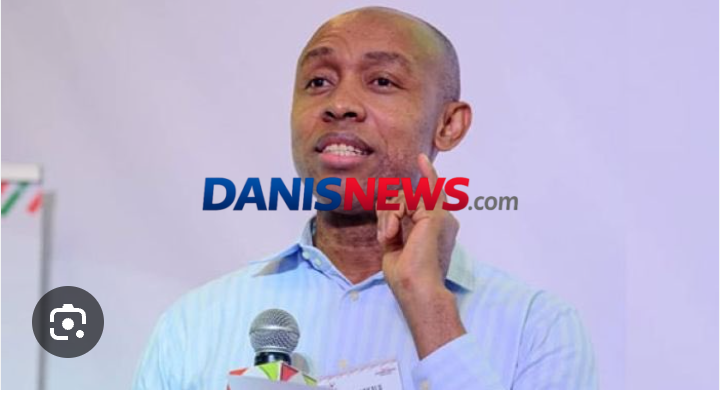
Sunday Dare, the Special Adviser to the President on Media and Public Communications, has challenged Nigerians to hold their local leaders accountable for grassroots development rather than blaming the federal government for the persistent lack of basic amenities across various communities within the country.
According to a video posted on the Official YouTube channel of SYMFONI on Saturday, June 20, 2026, while addressing complaints about localized governance failures and infrastructure decay, he stated, “we have local governments that were getting 500 million before but are now getting 2.5 billion, yet you want President Tinubu to be responsible for the fact that you don’t have certain things in your local government when you are right there with your local government chairman.”
The presidential spokesperson explained that the massive increase in monthly statutory allocations to the third tier of government was deliberately designed to empower local councils, thereby ensuring that sufficient financial resources are available to solve immediate community needs without relying on Abuja.
Dare expressed deep concern over the tendency of citizens to overlook the immediate local administrative authorities who directly manage these bloated funds, pointing out that public scrutiny must shift toward council secretariats where local chairmen oversee budgets meant for rural development projects.
He urged the public to actively participate in monitoring local council expenditures and demand transparency, emphasizing that sustainable national progress cannot be achieved if citizens remain silent while their immediate leaders mismanage the unprecedented billions flowing directly into local government treasuries.
In his concluding remarks, Dare noted that the current administration has already played its part by securing financial autonomy for the councils, meaning that the responsibility for providing basic community infrastructure now rests squarely on the shoulders of the local chairmen elected by the people.