According to a report by Daily Post on Friday, June 05, 2026, the House of Representatives has called on federal Ministries, Departments, and Agencies (MDAs) to stop rejecting members of the National Youth Service Corps (NYSC) deployed to them for their compulsory one-year service.
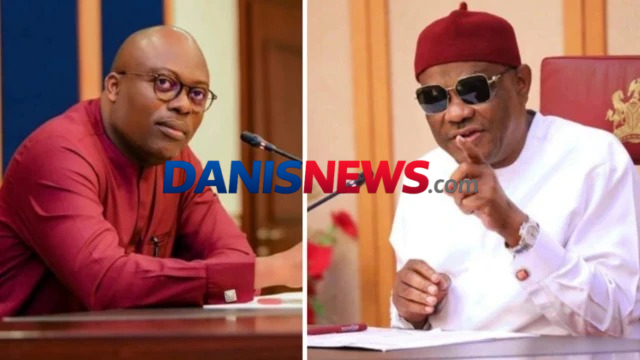
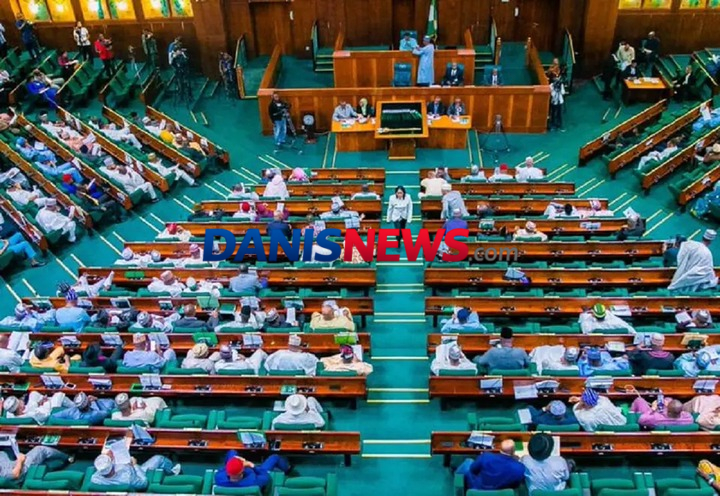
The resolution was passed during Thursday’s plenary following a motion presented by lawmaker Rodney Ebikebina Ambaiowei.
While presenting the motion, Ambaiowei expressed concern over what he described as a growing trend in which government institutions turn away corps members assigned to them. He warned that the practice denies young graduates opportunities to gain practical experience and contribute meaningfully to national development.
He further noted that many affected corps members are left idle or forced into insecure employment situations, increasing their vulnerability. According to him, some are exposed to exploitation in private workplaces, while others face greater social risks due to lack of structured engagement.
The lawmaker also argued that rejecting corps members represents a misuse of public funds, as the federal government continues to pay monthly stipends regardless of whether their services are effectively utilised.
Ambaiowei cautioned that continued rejection could weaken the objectives of the NYSC scheme and reduce enthusiasm among graduates expected to participate in the programme.
After deliberation, lawmakers adopted the motion and urged all MDAs, including the National Assembly, to accept corps members posted to their offices without refusal.
They also recommended that government agencies design internal work plans that integrate corps members into their daily operations, allowing them to build skills while contributing productively.
The House further directed its Committee on Youth Development to engage with the Director-General of the NYSC to develop a structured framework for better deployment and supervision of corps members nationwide.
Lawmakers said the goal is to ensure that the programme achieves its original purpose of fostering national unity, skill development, and youth engagement across public institutions.