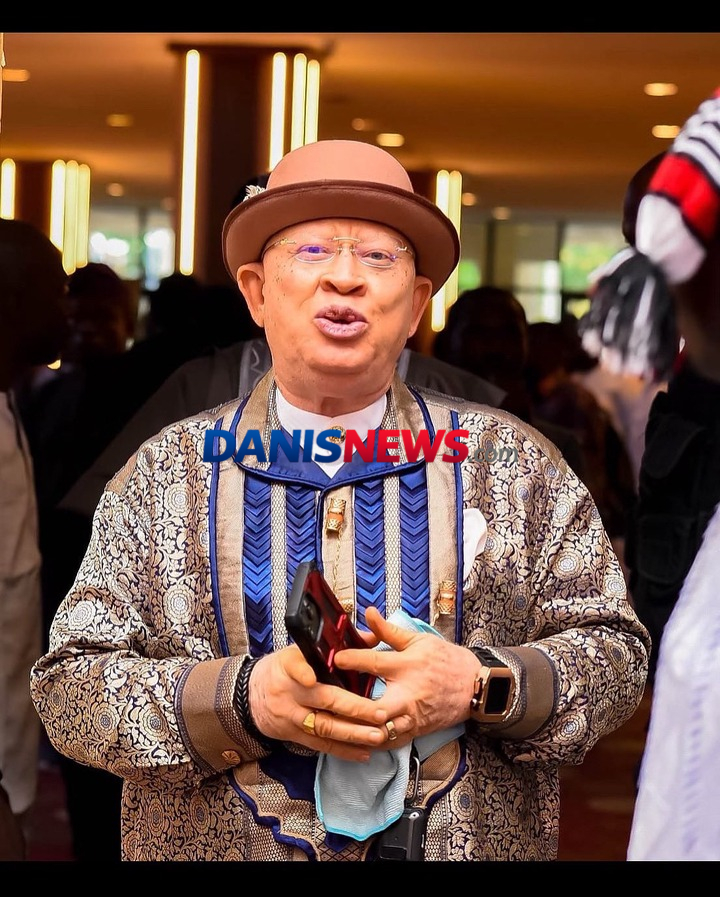
Baba Yusuf, a strategist, policy advisor, and Group Chief Executive Officer of Global Investment & Trade Co. (GITC), has distanced himself from the views of Islamic cleric Sheikh Ahmad Gumi on issues relating to insecurity and engagement with armed groups operating in parts of northern Nigeria.
Yusuf made the remarks during an interview on Channels Television on Saturday, May 30, 2026, while discussing the security challenges facing the country and the role of influential public figures in shaping public opinion on matters of national importance.
The discussion focused on the persistent insecurity affecting several parts of Nigeria, particularly in the northern region, and the ongoing debate over whether dialogue and negotiations with armed groups should be encouraged as part of efforts to restore peace.
Speaking during the programme, Yusuf expressed concern over narratives that, in his view, could create confusion about the position of mainstream Muslims regarding violence and criminality. He emphasized that the teachings of Islam should not be interpreted in ways that appear to justify unlawful acts or violence against innocent citizens.
According to him, the actions and views of individuals should not automatically be regarded as representing the broader Muslim community, especially on sensitive issues such as banditry, terrorism, and other forms of violent crime.
According to his words, “I am a Muslim and a Northerner, and I do not think Gumi represents what we stand for as Muslims,” Yusuf stated during the interview.
The comment appeared to be a direct response to positions that have often been associated with Sheikh Gumi regarding engagement with armed groups. Over the years, the cleric has attracted public attention for his comments on dialogue with bandits and the need to understand the factors driving insecurity in affected communities.
Yusuf, however, maintained that the overwhelming majority of Muslims reject violence against innocent people and support efforts aimed at safeguarding lives and property. He stressed that religious leaders occupy influential positions within society and should therefore use their platforms to promote peace, unity, and respect for the rule of law.
He further argued that public figures must exercise caution when discussing issues that have significant implications for national security, noting that their statements can influence public perception and affect communities already struggling with the consequences of violence.
According to Yusuf, insecurity has inflicted enormous hardship on millions of people across northern Nigeria. He cited the disruption of economic activities, displacement of families, destruction of livelihoods, and interruptions to educational opportunities as some of the major consequences of the crisis.
He also emphasized the need for collective action involving government institutions, community leaders, religious organizations, and citizens to address the root causes of insecurity while ensuring that criminal activities are not excused or normalized.