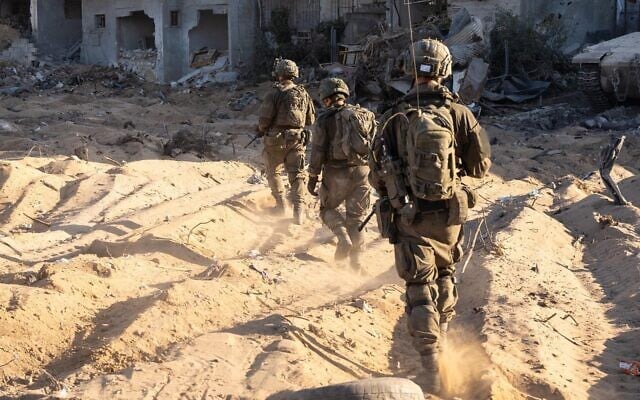
According to a report by The Times of Israel on May 4, 2026, amid the escalation in the Gulf, an Israeli military official confirms that the Israel Defense Forces continue monitoring the situation closely while remaining on alert and at high readiness.
The official emphasizes that air defense systems together with offensive capabilities maintain a high level of readiness that has stayed consistent ever since the ceasefire took effect.
No immediate adjustments appear necessary in operational posture despite regional tensions, allowing forces to respond effectively if developments warrant swift action.
The official further notes that the Home Front Command reports no changes in guidelines for civilians at this stage, with any future modifications to those instructions set to reach the public promptly through official channels.
This measured stance reflects a broader strategy of vigilance without unnecessary alarm as events unfold across key maritime routes and neighboring territories.
Regional actors have heightened activities that could influence stability, prompting coordinated assessments among allied partners.
Israeli commanders prioritize intelligence gathering to anticipate potential threats ranging from missile launches to proxy incursions that might target population centers or strategic assets.
By sustaining elevated preparedness levels, the military aims to deter aggression while preserving resources for sustained operations if required.
Civilians receive reassurance that current safety protocols suffice under prevailing conditions, encouraging normal daily routines unless updated advisories indicate otherwise.