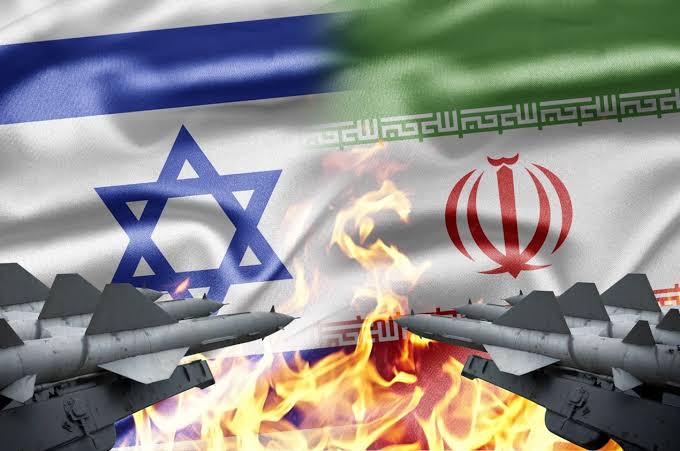
According to the Anadolu agency, the fragile pause in fighting between Israel and Iran is beginning to look less like a breakthrough and more like a brief intermission.
Behind the scenes, Israeli planners, working in close coordination with Washington are already preparing for what comes next if diplomacy fails. According to a report by the Israeli newspaper Maariv, new targets are being considered should hostilities resume, including Iran’s energy infrastructure, a shift that could widen the stakes of the conflict.
“There is close coordination between the two sides, and if fighting resumes, the targets will also include Iranian energy facilities,” the paper quoted a senior unnamed Israeli military official as saying.
The warning lands at a moment when the diplomatic track appears increasingly strained. Talks between the United States and Iran, held last weekend in Pakistan, ended without agreement, and expectations for a quick breakthrough are fading. “Iran insists on its previous position regarding its right to uranium enrichment, and there is no optimism among mediators,” the report said.
That lack of movement matters. The current ceasefire, brokered on April 8 after weeks of deadly exchanges, was never meant to be permanent. It paused a conflict that erupted on February 28, when US and Israeli forces launched strikes on Iran, triggering retaliation across Israel and other parts of the region hosting American assets. More than 3,300 people were killed in the fighting, underscoring how quickly tensions escalated.
Since then, negotiators have been trying to convert the pause into something more durable. Another round of talks is being planned in Islamabad, but the distance between both sides remains significant. Iran’s Parliament Speaker, Mohammad Bagher Qalibaf, acknowledged as much on Sunday, saying key differences with Washington persist despite some progress.
For now, the ceasefire holds but only just. And as both sides quietly prepare for the possibility of renewed conflict, the question is no longer whether tensions remain high, but how quickly they could boil over again.